How To Stay Energetic
Always tired by lunch? Here’s how to eat for all-day energy, according to the new book ‘The Exhaustion Breakthrough.’
Sticking with a healthy, energy-boosting diet isn’t rocket science. It requires balance, moderation, and variety: a balanced intake of macro- and micro-nutrients, moderation in terms of portion size and calorie intake, and variety of different foods within each category (grains, vegetables, fruit, legumes, nuts, fats, and lean protein). There isn’t a particular diet that’s guaranteed to crank up your energy. But in my opinion, the Mediterranean approach hits the sweet spot for how to eat for optimal health and energy.
Follow these general rules every day and you’ll wake up with more energy and avoid the post-lunch energy slump.
 1. They wake up their bodies with breakfast
Even if you’re not starving in the morning, having a morning meal kick-starts your metabolism and sends a signal to your body and brain that it’s time to perk up. It doesn’t have to be a large meal, and you don’t have to eat it the minute you get out of bed. When you do eat, have a combination of carbohydrates and protein: at the very least, a piece of whole-grain toast with almond butter or a small bowl of whole-grain cereal with low-fat milk. If you’re hungry, have a bigger meal such as quinoa topped with avocado and a poached egg, or a heaping bowl of oatmeal with bananas, raisins, walnuts, and cinnamon.
If you truly can’t stomach the idea of eating breakfast, it probably
means you ate too much the night before, a good habit to kick.
If you’ve been in the habit of eating erratically throughout the day, kick it. Plan and map out your meals and snacks so that you’re eating something every 3 to 5 hours. Whether you opt for three square meals and two small snacks or five mini meals spaced throughout the day is up to you. Either pattern will help keep your blood pressure steady and your energy level on a more even keel.

 Brightly hued fruits and vegetables—such as tomatoes, strawberries,
carrots, sweet potatoes, oranges, yellow squash, broccoli, kiwifruit,
kale, spinach, bell peppers, blueberries, eggplant, leafy greens, and
others—are loaded with antioxidants that neutralize damaging chemicals
called free radicals. These unstable molecules can injure cells, laying
the foundation for a host of illnesses. Antioxidants prevent or fight
these detrimental effects while also boosting immune function. There’s
actually a way to measure the antioxidant levels in food—it’s called the
ORAC value.
Brightly hued fruits and vegetables—such as tomatoes, strawberries,
carrots, sweet potatoes, oranges, yellow squash, broccoli, kiwifruit,
kale, spinach, bell peppers, blueberries, eggplant, leafy greens, and
others—are loaded with antioxidants that neutralize damaging chemicals
called free radicals. These unstable molecules can injure cells, laying
the foundation for a host of illnesses. Antioxidants prevent or fight
these detrimental effects while also boosting immune function. There’s
actually a way to measure the antioxidant levels in food—it’s called the
ORAC value.
 Found in fatty fish (salmon, haibut, tuna, lake
trout, sardines, and anchovies) as well as flaxseeds, walnuts, canola
oil, and fortified foods, omega-3 essential fatty acids reduce harmful
inflammation throughout the body, protect the function and integrity of
cell membranes, and enhance brain function. Research suggests that
regular consumption of omega-3 fatty acids boosts mood, memory, and
other measures of cognitive function, which can boost your focus and
energy. Try to include these food sources on a daily basis.
Found in fatty fish (salmon, haibut, tuna, lake
trout, sardines, and anchovies) as well as flaxseeds, walnuts, canola
oil, and fortified foods, omega-3 essential fatty acids reduce harmful
inflammation throughout the body, protect the function and integrity of
cell membranes, and enhance brain function. Research suggests that
regular consumption of omega-3 fatty acids boosts mood, memory, and
other measures of cognitive function, which can boost your focus and
energy. Try to include these food sources on a daily basis.
 If it’s done right, snacking between meals keeps
your mood and energy level on an even keel, fills in nutritional gaps in
your diet, better regulates your appetite, and enhances your
weight-control efforts. But don’t make the mistake of associating snacks
with treats. Snacks should consist of good-quality, nutrient-rich
calories. Combining complex carbs with protein and healthy fat will
provide a slower, more sustained rise in blood sugar, giving you lasting
energy and feelings of fullness. Good choices include hummus with baby
carrots and snap peas, low-fat plain yogurt with whole blueberries,
whole-grain crackers with peanut butter, or a mix of nuts and dried
fruit.
If it’s done right, snacking between meals keeps
your mood and energy level on an even keel, fills in nutritional gaps in
your diet, better regulates your appetite, and enhances your
weight-control efforts. But don’t make the mistake of associating snacks
with treats. Snacks should consist of good-quality, nutrient-rich
calories. Combining complex carbs with protein and healthy fat will
provide a slower, more sustained rise in blood sugar, giving you lasting
energy and feelings of fullness. Good choices include hummus with baby
carrots and snap peas, low-fat plain yogurt with whole blueberries,
whole-grain crackers with peanut butter, or a mix of nuts and dried
fruit.
 The human body has no way to store water, so we
need to constantly replenish the fluids we lose through breathing,
urinating, sweating, and other bodily functions. Many people are walking
around in a mild state of dehydration, which may contribute to why they
feel tired, weak, or lethargic. A recent study in the Journal of Nutrition
found that when women were put into a very mild state of dehydration
with exercise or a diuretic drug, they experienced a sense of fatigue,
low mood, headaches, and loss of focus.
The human body has no way to store water, so we
need to constantly replenish the fluids we lose through breathing,
urinating, sweating, and other bodily functions. Many people are walking
around in a mild state of dehydration, which may contribute to why they
feel tired, weak, or lethargic. A recent study in the Journal of Nutrition
found that when women were put into a very mild state of dehydration
with exercise or a diuretic drug, they experienced a sense of fatigue,
low mood, headaches, and loss of focus.
If you’re dehydrated, you might feel fatigued before you feel thirsty. Get in the habit of carrying a water bottle with you and refill it regularly throughout the day. There’s no need to drink vitamin water or energy drinks unless you’re an endurance athlete; otherwise, you’re just adding unnecessary calories (and expense) to your day.
Sticking with a healthy, energy-boosting diet isn’t rocket science. It requires balance, moderation, and variety: a balanced intake of macro- and micro-nutrients, moderation in terms of portion size and calorie intake, and variety of different foods within each category (grains, vegetables, fruit, legumes, nuts, fats, and lean protein). There isn’t a particular diet that’s guaranteed to crank up your energy. But in my opinion, the Mediterranean approach hits the sweet spot for how to eat for optimal health and energy.
Follow these general rules every day and you’ll wake up with more energy and avoid the post-lunch energy slump.
 1. They wake up their bodies with breakfast
Even if you’re not starving in the morning, having a morning meal kick-starts your metabolism and sends a signal to your body and brain that it’s time to perk up. It doesn’t have to be a large meal, and you don’t have to eat it the minute you get out of bed. When you do eat, have a combination of carbohydrates and protein: at the very least, a piece of whole-grain toast with almond butter or a small bowl of whole-grain cereal with low-fat milk. If you’re hungry, have a bigger meal such as quinoa topped with avocado and a poached egg, or a heaping bowl of oatmeal with bananas, raisins, walnuts, and cinnamon.
The carbs will replenish your energy
reserves and raise your blood sugar; the protein will increase alertness
and provide feelings of fullness—and the combination will set the stage
for an efficient, productive morning.
 2. They eat often
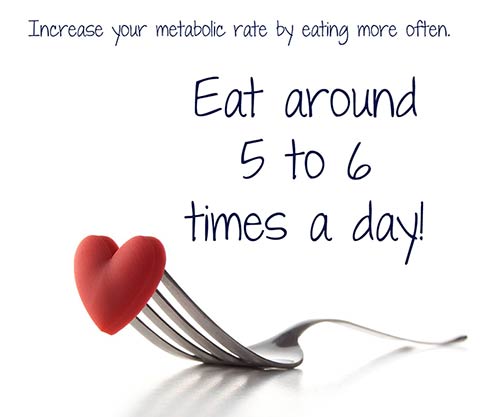
If you’ve been in the habit of eating erratically throughout the day, kick it. Plan and map out your meals and snacks so that you’re eating something every 3 to 5 hours. Whether you opt for three square meals and two small snacks or five mini meals spaced throughout the day is up to you. Either pattern will help keep your blood pressure steady and your energy level on a more even keel.

3. They stick to “real” food
Try to get the most nutritional bang for every bite by sticking with foods that offer a significant amount of nutrients for the calorie value—and come from identifiable sources. Good choices include vegetables, fruit, whole grains, beans and legumes, nuts, and seeds. Bad choices: refined breads, fried or fatty foods, sweets, desserts, and processed snack foods, all of which provide you with lots of calories but little in the way of nutritional value.4. They put color on their plates

5. They harness omega-3 power
 Found in fatty fish (salmon, haibut, tuna, lake
trout, sardines, and anchovies) as well as flaxseeds, walnuts, canola
oil, and fortified foods, omega-3 essential fatty acids reduce harmful
inflammation throughout the body, protect the function and integrity of
cell membranes, and enhance brain function. Research suggests that
regular consumption of omega-3 fatty acids boosts mood, memory, and
other measures of cognitive function, which can boost your focus and
energy. Try to include these food sources on a daily basis.
Found in fatty fish (salmon, haibut, tuna, lake
trout, sardines, and anchovies) as well as flaxseeds, walnuts, canola
oil, and fortified foods, omega-3 essential fatty acids reduce harmful
inflammation throughout the body, protect the function and integrity of
cell membranes, and enhance brain function. Research suggests that
regular consumption of omega-3 fatty acids boosts mood, memory, and
other measures of cognitive function, which can boost your focus and
energy. Try to include these food sources on a daily basis.6. They let themselves snack
7. They drink water by the bucket load
The human body has no way to store water, so we
need to constantly replenish the fluids we lose through breathing,
urinating, sweating, and other bodily functions. Many people are walking
around in a mild state of dehydration, which may contribute to why they
feel tired, weak, or lethargic. A recent study in the Journal of Nutrition
found that when women were put into a very mild state of dehydration
with exercise or a diuretic drug, they experienced a sense of fatigue,
low mood, headaches, and loss of focus.
"Thirst is not a good indicator of your
hydration status. Some data suggest that by the time you feel thirsty,
you’ve already lost 2 to 3 percent of your body fluids."
If you’re dehydrated, you might feel fatigued before you feel thirsty. Get in the habit of carrying a water bottle with you and refill it regularly throughout the day. There’s no need to drink vitamin water or energy drinks unless you’re an endurance athlete; otherwise, you’re just adding unnecessary calories (and expense) to your day.


0 comments :
Post a Comment