Dandruff vs Dry Scalp, What’s The Difference?
We’ve all seen the commercials for Dandruff shampoo where a nice man
or woman in a dark colored shirt is caught in an embarrassing situation
with unsightly little white flakes of scalp snowing down onto their
shoulders. “Oh,” their friend or colleague will assure them, “try this
shampoo and your flakes will be gone!” But is that true? No. Yes. Well, maybe.
You see, it’s not quite as simple as that. The flakes we see on their
shoulders aren’t usually dandruff; they’re dry scalp, and yes there is a
difference. Unfortunately these commercials cause people to misidentify their problem, and often mistreat it, possibly making it worse.
Let’s go over a few of the major differences between Dandruff and dry
scalp. I should also make it clear before we get into the thick of it
that your hairstylist may be able to give you their personal and
professional opinion on what scalp condition you have, but Dandruff can only be diagnosed by a doctor. I am not a doctor, and certainly can not diagnose you online.
DRY SCALP

We’ll start here, since this is what the majority of people who think they have Dandruff actually have.
Dry scalp is characterized by small, white flakes of scalp.
It can be caused by severe dehydration and over-shedding of the scalp,
using poor quality shampoo and conditioner which are stripping your
scalp of it’s natural oils, over-washing your hair, washing your hair
with hot water, or change in the seasons. It may also be accompanied by
itching and irritation. Here are some ways that you can combat dry
scalp.
(Note that dry scalp can also be genetic, in which case there isn’t a whole lot to be done about it)
1. Make sure to drink plenty of water. I often
forget to do this in the winter-time, but staying well hydrated in the
winter is important for our skin because we are often moving in and out
of heated buildings, which can suck moisture from your skin. If you’re
well hydrated on the inside, your whole body will function better, and
your hair and skin will look and feel better since your body will be
more easily able to turn over new cells.
2. Switch to a professional shampoo and conditioner.
Many drugstore brand shampoos have harsh cleansing agents which will
strip your hair of the natural oils that it needs to stay hydrated.
Beware of claims that drugstore products are “pH balanced”. This means
nothing. They are allowed to make this claim no matter what because
everything that is water soluble has a pH, it doesn’t necessarily mean
that it is the same pH as your hair and skin. Most professional products
ARE balanced to the pH of your skin unless they are meant to serve a
certain purpose like clarifying shampoo for swimmers. A couple of good
professional products are
Paul Mitchell Instant Moisture Shampoo and
Instant Moisture Daily Treatment, and
Paul Mitchell Tea Tree Special Shampoo and Conditioner (all available at Loxa Beauty).
One of my favorites for dry scalp is Paul Mitchell Tea Tree Hair and
Scalp Treatment. The tea tree is soothing for itchiness, and the
treatment should be massaged into your scalp and has little beads to
help exfoliate dead skin cells so that they don’t fall off later, when
you don’t want them to. The tea tree treatment isn’t necessary to use
every day, and you want to make sure to rinse it out thoroughly. I
should also mention that although Paul Mitchell’s Tea Tree products are
fairly color safe, anything with tea tree oil has the potential to fade
color, so if you have your hair colored, you probably won’t want to use
tea tree products every day.
3. Wash your hair less often and with cooler water. Hot
water strips the natural oils from your skin causing it to feel tight, dry and also cause split ends. I know a lot of people love to take scalding hot showers, but
it’s really terrible for your skin and can cause all kinds of irritation
and problems down the road. Also if you think you have a dry scalp, and
you wash your hair every day, try to cut it down to every other day at
the most; this will give your skin a chance to create the oil that you
need to protect your skin and re-balance it’s own natural pH.
4. Gently brush your scalp before washing your hair.
Use a brush that has bristles which are close together and not too
stiff. Start at your hairline and work around your head, making sure to
brush all areas of your scalp. This will help loosen dead skin cells
which are ready to shed off so that you can wash them out.
DANDRUFF
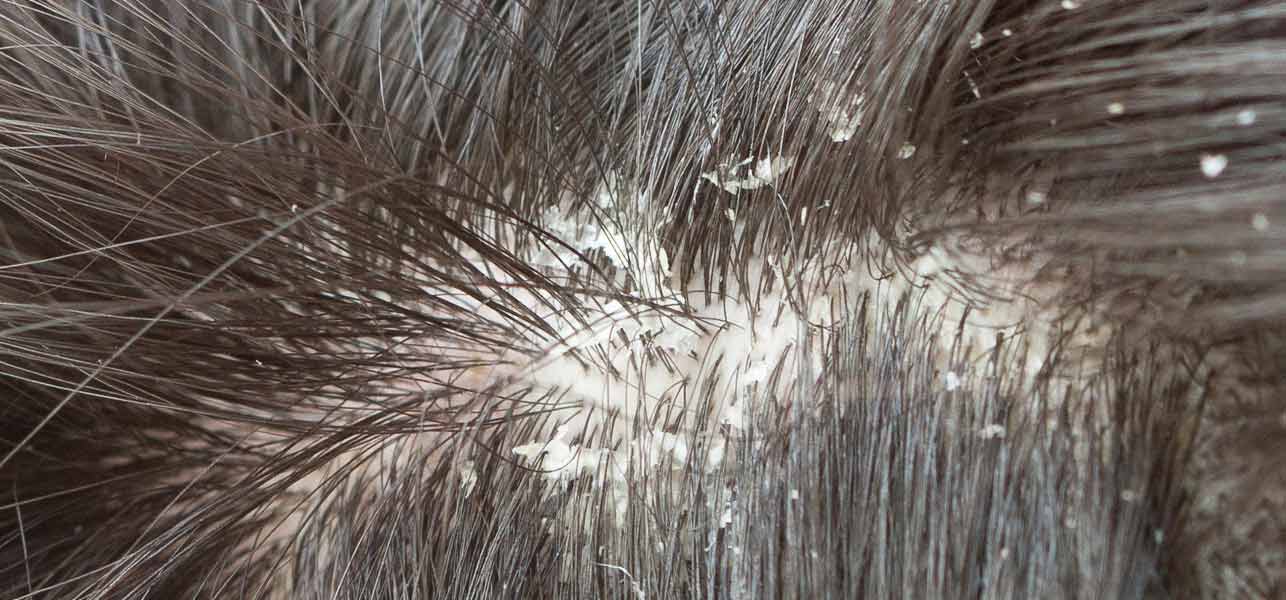
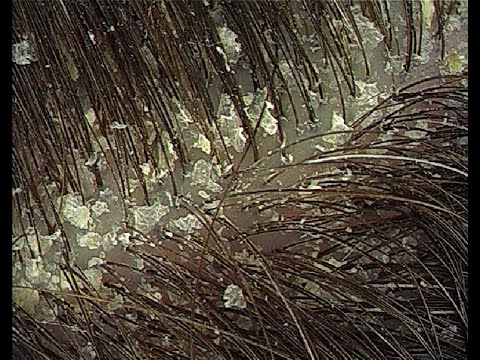 Dandruff is usually characterized by larger, greasy or waxy flakes or clusters of skin cells and are usually yellowish or grey.
They may come off in your hair brush or stick to your hair or scalp,
and are accompanied by itching. Dandruff, unlike dry scalp, is usually
associated with a fungal or bacterial infection of the scalp. If you
have dandruff, you should clean your brushes, combs, hats, towels etc.
between each use. [edited: and as one commenter’s dermatologist
recommended, changing your pillowcase daily may help as well!] The type
and cause of Dandruff can only be diagnosed by a medical professional.
Here are a few things you can try to help combat Dandruff, but be sure
to check with your doctor/dermatologist, especially if it is accompanied
by severe itching, bleeding, or oozing.
1. Shampoos and conditioners which contain Tea Tree oil can be effective against dandruff caused by infection because tea tree
has natural anti-bacterial and anti-fungal properties. I recommend Paul
Mitchell’s line of Tea Tree products, including Tea Tree essential oil.
2. Cut down on styling products, especially if they are
greasy or waxy. Too much product and improper shampooing creates
build-up on your hair and scalp, which can cause dandruff, or make it
worse.
3. Don’t scratch. Scratching can damage your scalp,
making it vulnerable to infection. Extreme damage to your scalp and
follicles can result in hair loss which may be permanent.
4. Of course, see your doctor! Your doctor will be able
to properly diagnose your condition and recommend or prescribe products
and routines to manage your Dandruff problem!